
What does OSHA actually require for handwashing on a job site?
The short answer: it depends on what the crew is doing. General sanitation on construction sites falls under OSHA 1926.51(c), which sets toilet ratios by crew size, one facility for 20 workers or fewer, scaling up from there. Separately, OSHA 1926.51(f)(1) requires washing facilities specifically where workers apply paints, coatings, herbicides or insecticides, or handle other contaminants that can be absorbed through skin. That is not a general handwashing mandate, it is tied to that kind of work. Ag operations in the Walnut Creek area fall under a different rule: OSHA 1928.110 requires potable water, toilets and handwashing within a quarter mile walk of hand-labor employees, at one facility per 20 workers. Whatever the trigger, sanitizer alone does not satisfy 29 CFR 1910.141(d)(2), which specifically calls for soap and towels or a mechanical dryer. If you are pairing stations with toilets, our portable toilet rental page and the portable restroom rental page cover the toilet side, and temporary power pole setups can run powered dryers if a site has no other source.
How many handwashing stations does a Walnut Creek site need?
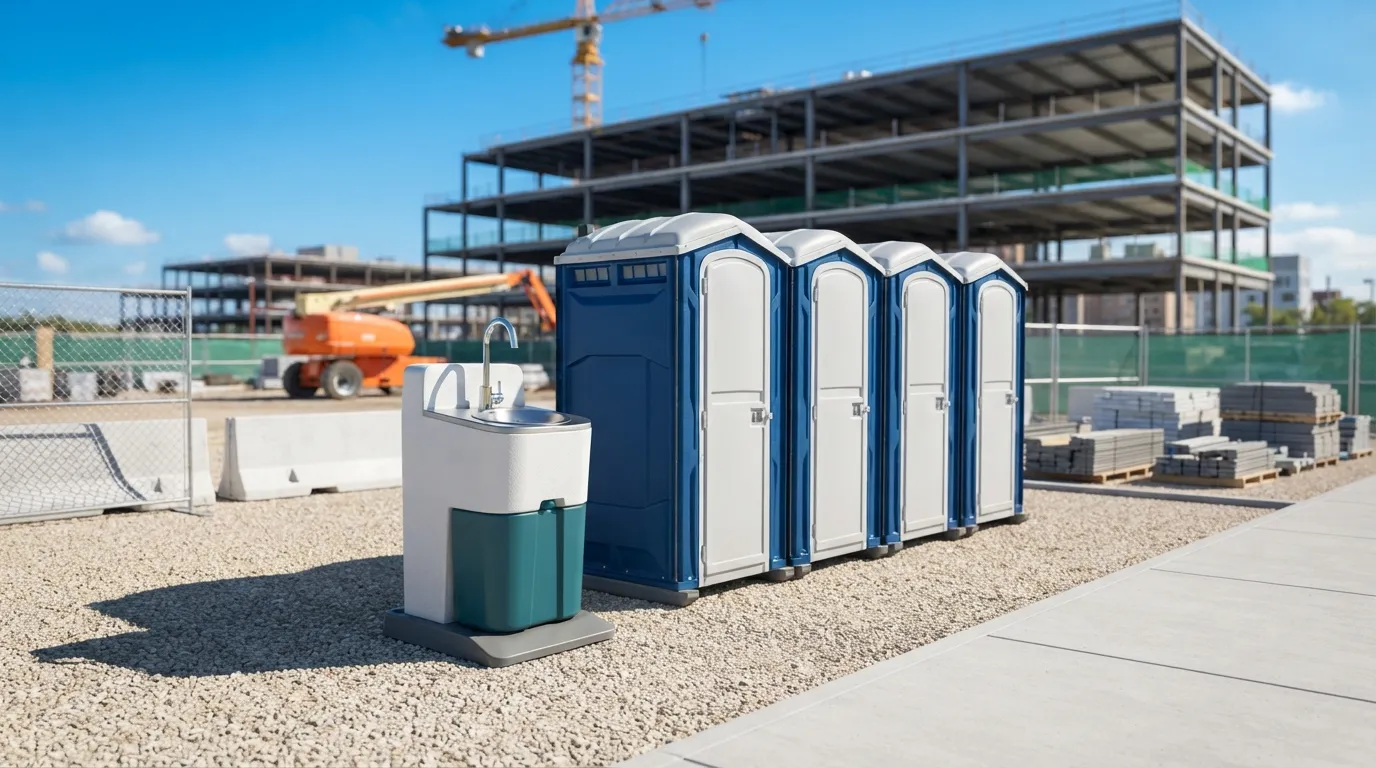
Match the station count to your worker count and your toilet count, not to guesswork. A common approach is one station near each toilet cluster, since crews wash right after using the restroom anyway. For food service or catering work, plan on one station per prep or serving line, separate from the crew's general wash-up point. Multi-user stations serve larger crews without a line forming at a single basin. Event organizers running festivals, fairs or races in Walnut Creek should size stations the same way they size restrooms: against expected headcount, not against the site's square footage. Our how many porta potties do I need guide walks through that math and applies directly to handwashing counts too. If you are running an event restroom rental or a festival restroom rental setup, order handwashing stations at the same time so delivery lands together. Weddings and smaller private events, covered on our wedding restroom rental page, usually need just one or two stations paired with a deluxe flushable porta potty unit.
Do handwashing stations need to be ADA accessible?
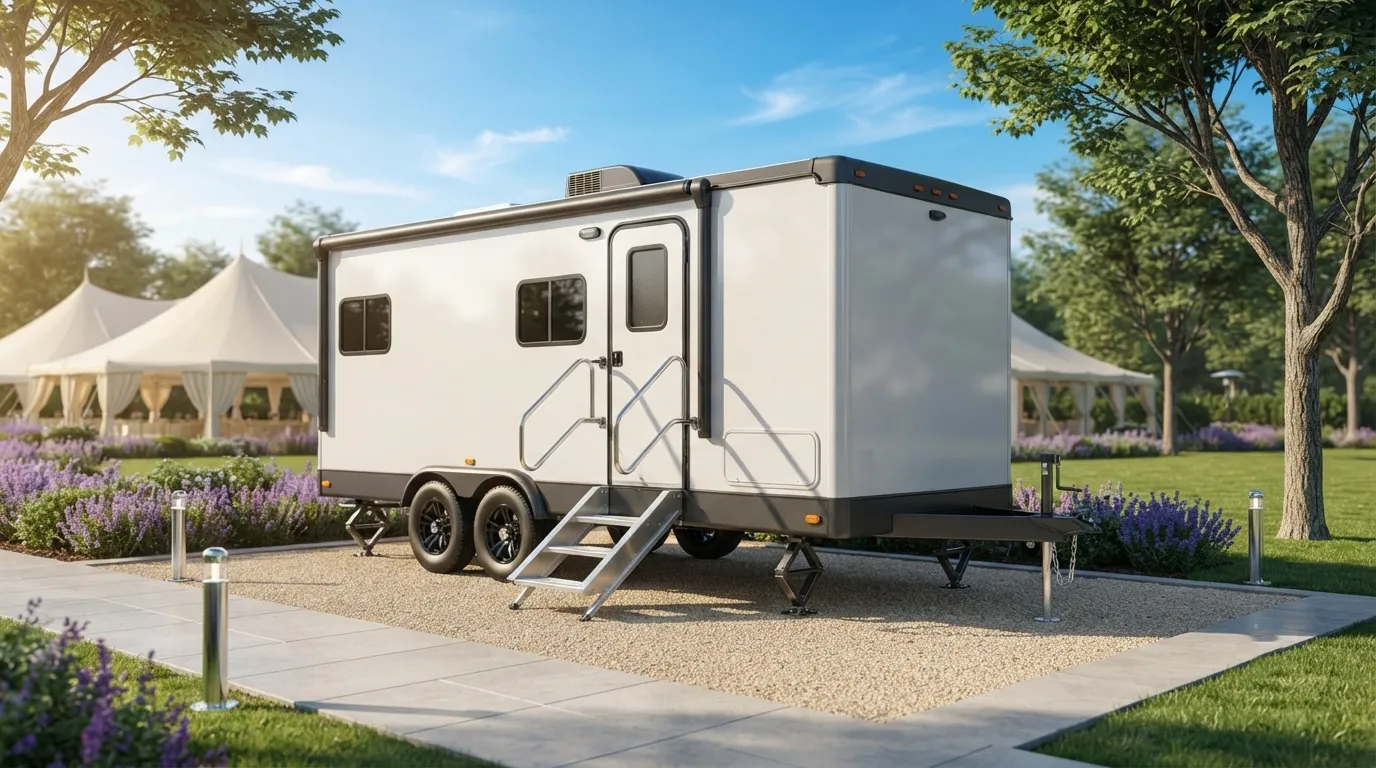
Yes, on most jobs and events open to the public. ADA Standards section 308.2.1 sets a maximum reach of 48 inches and a minimum low reach of 15 inches, so a basin mounted too high or too low fails the standard. Operable parts, the soap pump and the towel dispenser, must work with one hand and no more than 5 pounds of force under ADA Standards section 309.4. The ground under and around the unit needs to be stable, firm and slip resistant per ADA Standards section 302.1, which matters on gravel lots and unfinished construction sites. If you are clustering several units, our ADA accessible porta potty page details the 5 percent minimum rule from ADA Standards 213.2, and the same clustering logic applies to handwashing stations placed alongside them. Ramp access into a trailer-mounted station follows ADA Standards 405.2, capping slope at 1:12. For full compliance planning, see our ADA restroom requirements page.
Where should handwashing stations be placed on site?
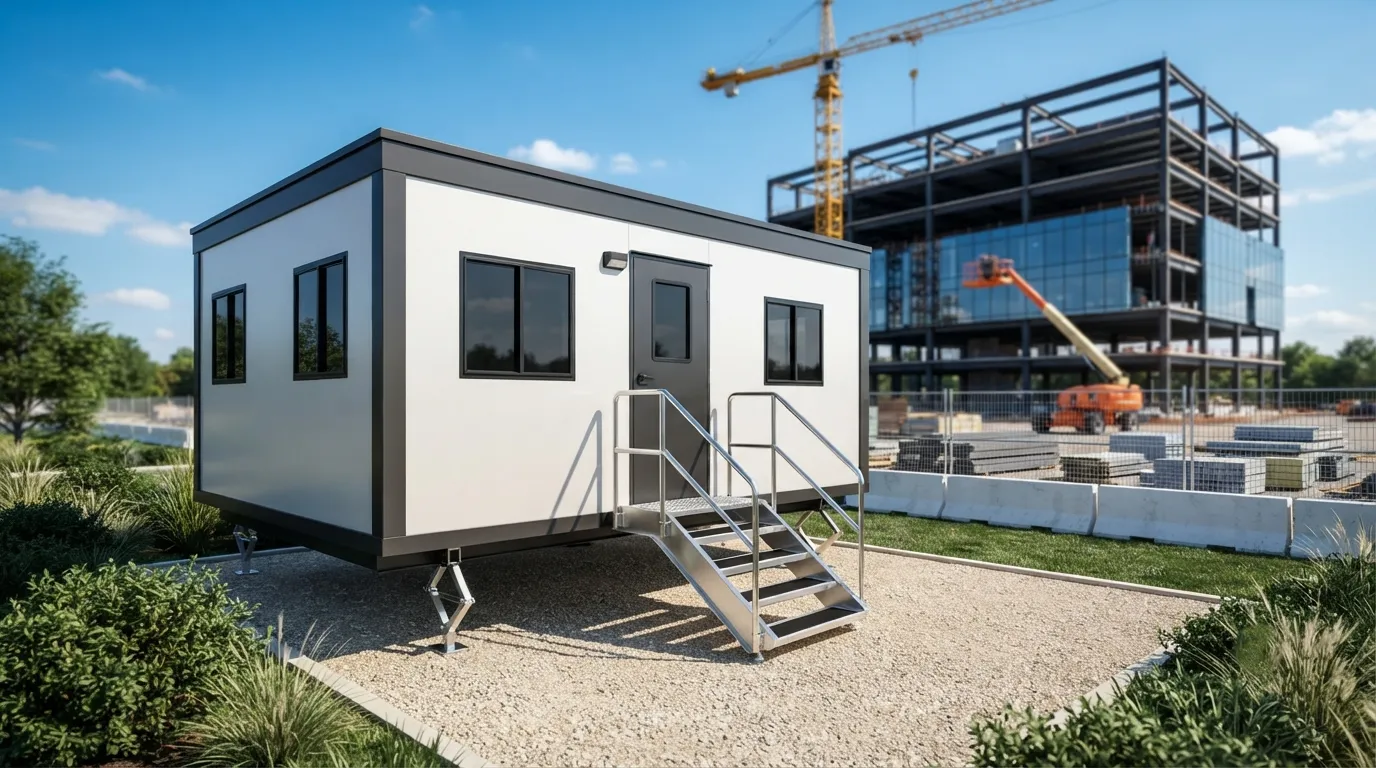
Close to the work, close to the toilets, and on stable ground. A station stranded across a muddy lot does not get used, no matter what the rule says. Keep clear approach paths at least 36 inches wide per ADA Standards 403.5.1, and if the station sits inside or beside a trailer, the doorway needs a 32 inch clear opening under ADA Standards 404.2.3. Lighting matters too: OSHA 1926.56(a) sets minimum illumination for construction areas, so a station used after dusk needs its own light or a nearby fixture. On roll-off or dumpster job sites, keep the station clear of the delivery lane, since a dumpster truck needs about 60 feet of straight clearance behind it to set the box down safely. See our roll-off dumpster rental and porta potty placement guide pages for layout help. If the site also runs a temporary fence rental perimeter, place stations inside the fence line, not outside it, so crews are not crossing barricades under OSHA 1926.202 just to wash up.
Frequently Asked Questions
Does hand sanitizer count as a handwashing station?
No. 29 CFR 1910.141(d)(2) requires soap and towels or a hand drying device, and sanitizer does not meet that standard on its own. A hand sanitizer station rental works as a supplement near entrances or high-traffic points, but it cannot replace a proper handwashing setup on a covered job site.
What is the difference between a handwashing station and a portable sink?
A basic handwashing station is usually a single or dual basin foot-pump unit built for quick wash-ups. A portable sink rental typically adds a larger basin, more water capacity and sometimes hot water, better suited to food service or longer shifts where crews wash more often.
Do event venues in Walnut Creek require handwashing stations?
Most public events pair handwashing with restroom counts, sized to expected attendance rather than a fixed number. Concerts, fairs and races covered on our concert restroom rental, county fair restrooms and marathon and race restrooms pages all follow the same headcount-based planning as toilets.
Can I rent a handwashing station for just one day?
Yes. Walnut Creek Porta Pros delivers single and multi-day handwashing station rentals, and pricing follows the same day, week and month structure used for standard porta potty rental units. Ask about pairing it with a delivery fee if you are also renting toilets.
Do farms and agricultural sites need handwashing stations?
Yes. OSHA 1928.110 requires potable water, toilets and handwashing facilities for hand-labor employees, placed within a quarter mile walk, at a ratio of one facility per 20 workers. See our farm and agricultural restrooms page for setups suited to field crews near Walnut Creek.
Next step
Get a delivery date
Tell us the address, the dates and the headcount. We size the order and confirm the route.